〒198-0042 東京都青梅市東青梅3-11-10-502
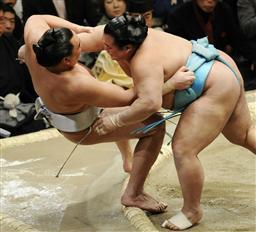
Sumo is a Japanese old act of God and festival. Is military arts at the same time, and is the martial arts; (from the original meaning of "the conferment of the championship bow").
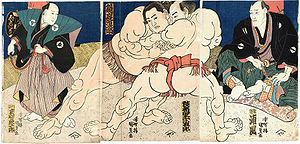
In addition, performance called the Grand Sumo Tournament is performed as occupation (means to live) to get a gift (expression called the prize money) for a long time by a chosen few.
In late years it is performed as the martial arts / a martial art / sports of the Japanese origin globally.
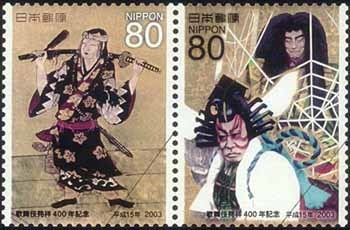
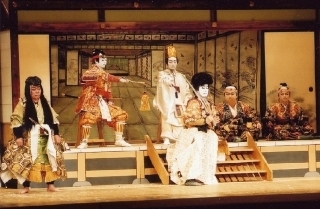
Kabuki is believed to have originated around 1603, when a woman attendant from the Izumo Shrine named Okuni performed a dance called Nembutsu odori. However, in 1629, women were banned from the stage, leaving only men to perform; and by the Genroku period (1688-1704), the current kabuki style was perfected.
With the Meiji period came a sudden influx of Western culture, and kabuki even attempted to incorporate some of these new influences. kabuki04.jpgHowever, in the 20th century, the trend focused on preserving kabuki as a traditional theatrical form, a trend which continues to this day.
It is a world that preserves conservative traditions, such as the practice of passing down the stage names of famous kabuki actors according to family lineage.
In Tokyo, a permanent kabuki theater called the Kabuki-za stages performances throughout the year.